Sri lankan Milk Rice
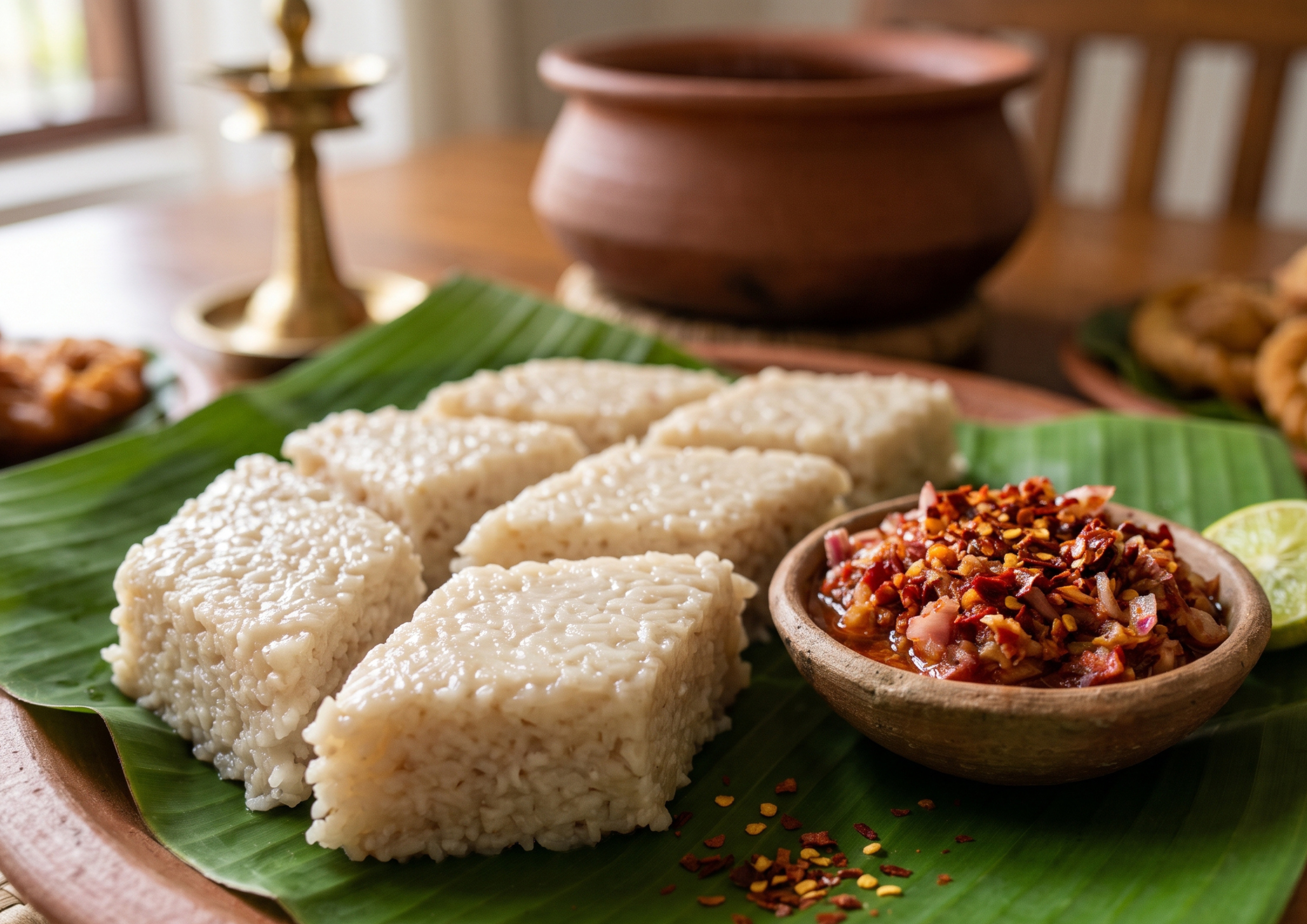
Sri Lankan Kiribath is creamy coconut milk rice, pressed and cut into diamonds. This celebration food symbolizes new beginnings, especially during Sinhalese New Year. Always served with spicy lunu miris - the perfect contrast of creamy and fiery. Pure comfort food magic.
35 min
5 servings
Medium
About This Recipe
If you want to understand the heart of Sri Lankan comfort food, you have to start with Kiribath, or milk rice. More than just a dish, it's a deeply ingrained part of our culture, symbolizing prosperity and the hope for a sweet, successful future.
The process is beautifully simple, yet the result is profoundly satisfying. We take a special, short-grain rice (often Samba or Kekulu) and simmer it slowly in rich, creamy coconut milk until the grains break down and the mixture becomes thick and porridge-like. The magic is in this slow cooking – the rice absorbs all the coconut flavor, becoming incredibly soft and cohesive.
Once cooked, it's transferred to a flat tray or plate, smoothed out, and left to set into a firm, cake-like layer. It's then traditionally cut into elegant diamond shapes or simple squares, ready to be served.
But here's the non-negotiable part: Kiribath is never eaten alone. It's always, always paired with lunu miris, a fiery and tangy relish made by grinding onions, dried chilies, and Maldive fish together with a squeeze of lime. The experience is all about the contrast: the first bite is of the mild, creamy, and subtly salty milk rice, which is immediately followed by the explosive, spicy kick of the relish. It’s a balance that is simply unforgettable.
You'll find Kiribath at the center of every important milestone. It's the first solid food given to a baby, the first meal eaten on the first day of the Sinhalese and Tamil New Year, and a staple at birthdays, weddings, and any other auspicious event. It’s our way of wishing each other well, one creamy, comforting, and celebratory bite at a time.
Recipe Info
Prep Time
35 min
Total Time
35 min
Servings
5
Difficulty
Medium
Views
22
Share Recipe
You Might Also Like
More recipes from the Breakfast category
Breakfast
•
5 min
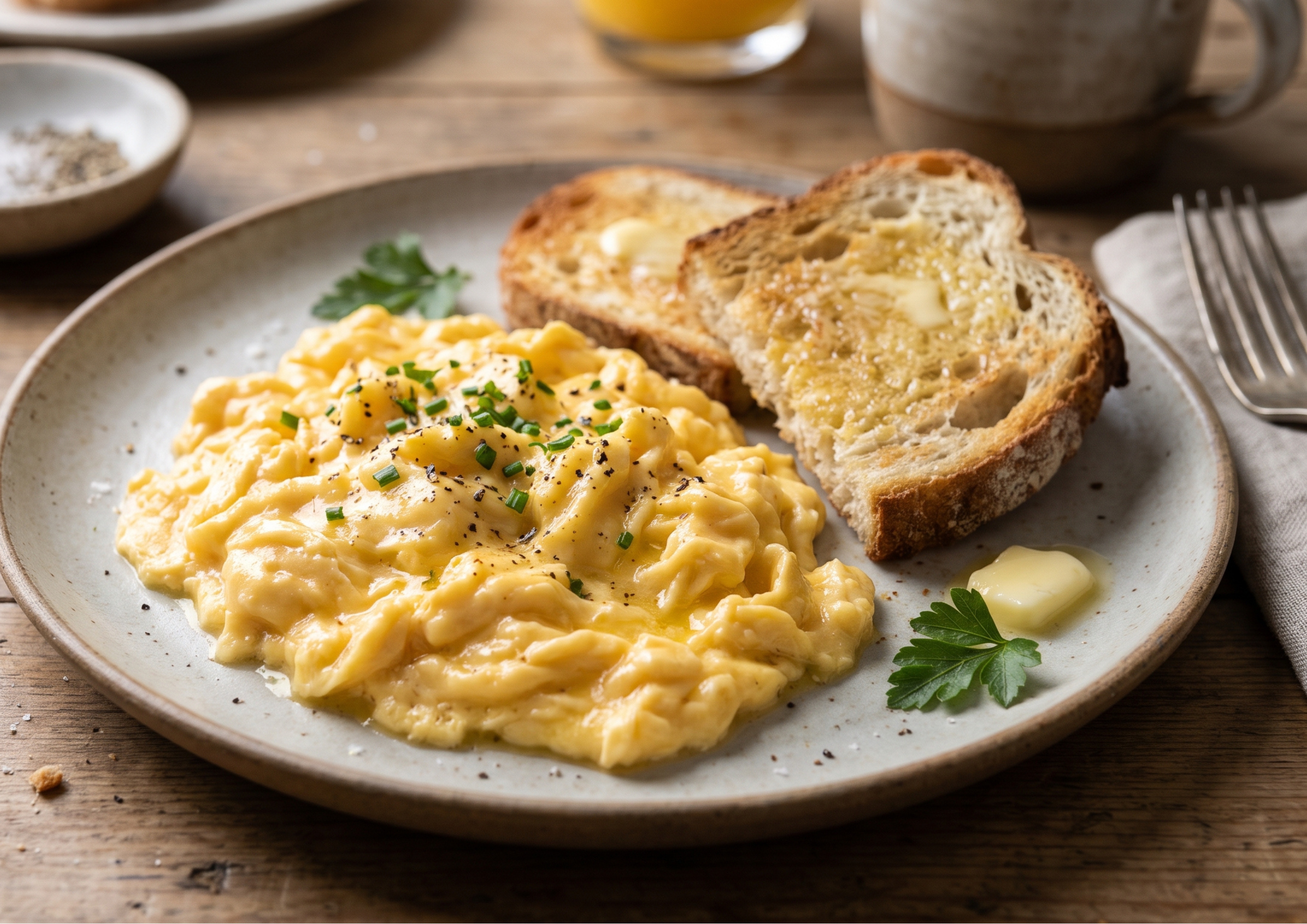
Scrambled eggs
Fluffy, creamy, and quick. A classic breakfast favorite.
View Recipe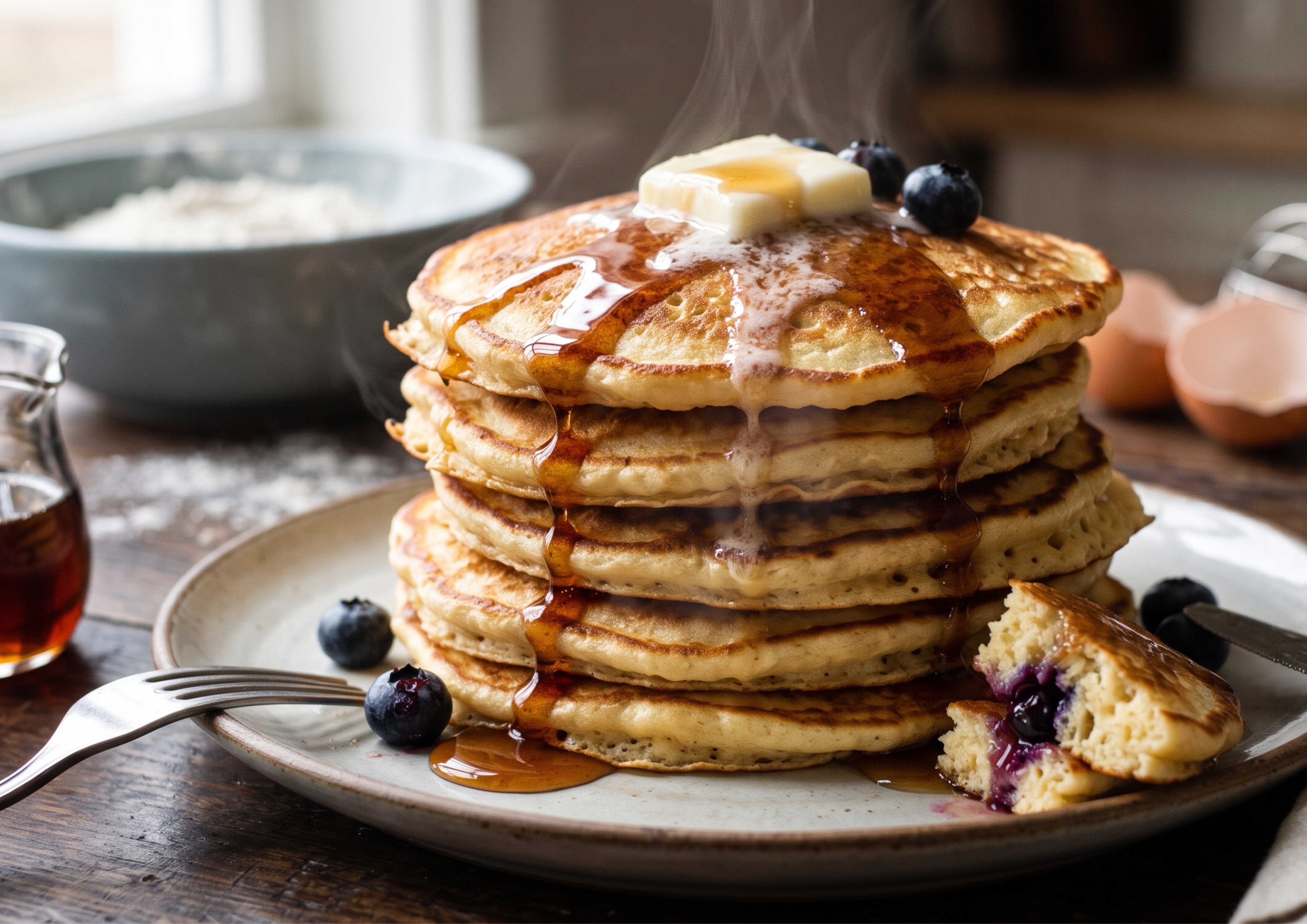
Breakfast
•
5 min
Pan Cake
A golden-brown disc of comfort, a warm embrace on a chilly morning. Each fluffy layer is a canvas for rivulets of maple syrup and a melting pat of butter—a simple, sunshiny promise of a good day ahead.
View Recipe